Why a Professional Korean Interpreter Is a Strategic Asset for Corporate Visits to South Korea
South Korea has become a critical hub for global manufacturing, technology, finance, and innovation. Executives and teams fly into Seoul every week for high-stakes business meetings, factory and site visits, negotiations, and conferences. Yet many visits underperform not because of product, price, or intent, but because communication never truly aligns. A professional business Korean interpreter in Seoul can be the difference between a polite but shallow visit and a visit that builds real trust, clarity, and long-term partnership.
For international, English-speaking executives and foreign companies, working with an experienced Korean interpreter for business meetings, on-site reviews, and corporate schedules is not a luxury. It is a strategic safeguard for your investment of time, budget, and reputation in South Korea.
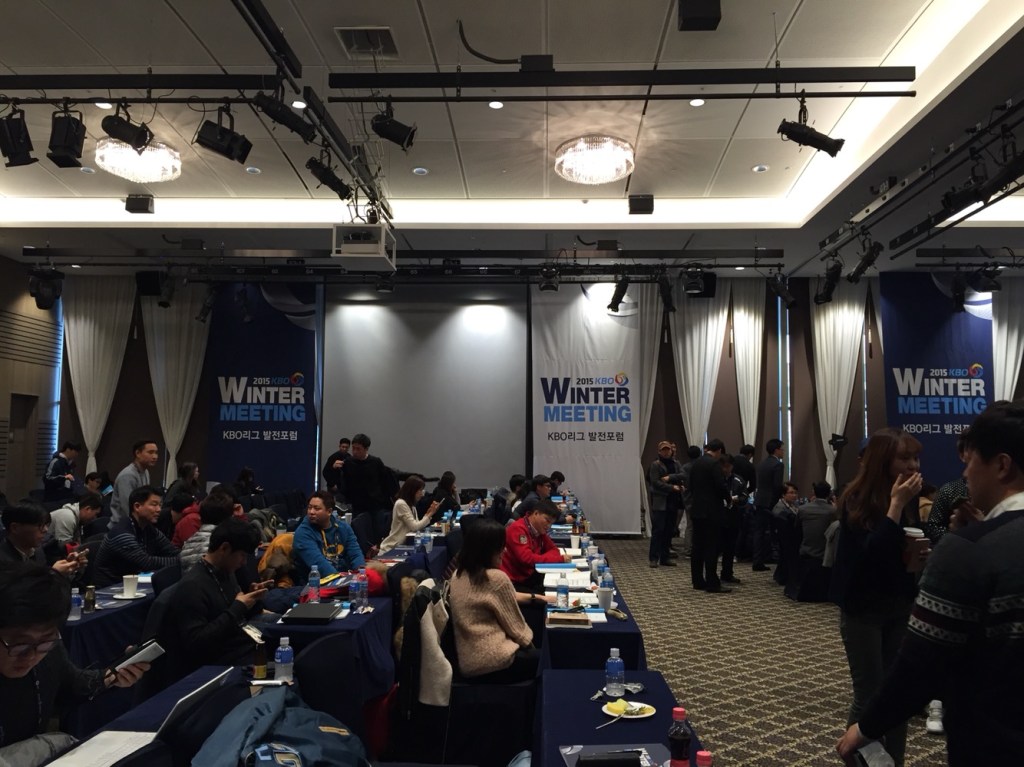
Beyond Words: Interpretation, Not Just Translation
It is tempting to assume that anyone who “speaks Korean and English” can guide your meetings. In reality, there is a substantial difference between literal language conversion and context-aware interpretation.
Literal language conversion focuses on word-for-word accuracy. It may capture what was said, but not always what was meant. Nuance, intent, and subtext can be lost, especially in fast-moving discussions or delicate negotiations.
Professional interpretation adds a critical layer: the ability to understand context, hierarchy, industry terminology, and cultural expectations. A trained Korean interpreter for foreign companies will not only convey the words, but also ensure that your message lands appropriately and that you fully understand how your Korean counterparts are responding.
Navigating Korean Business Etiquette and Hierarchy
South Korean corporate culture is shaped by hierarchy, seniority, and respect. Titles matter, seating arrangements matter, and the order in which people speak and respond can signal alignment, hesitation, or resistance. An on-site Korean interpreter in South Korea who understands these dynamics can quietly guide you through them.
For example, a senior Korean executive might express disagreement in a highly indirect way, such as, “That may be challenging in the current environment.” A literal translation may sound neutral. A skilled business Korean interpreter in Seoul will understand the underlying message (for instance, a firm “no” or a request to adjust terms) and signal that to you in clear, professional English, without causing any loss of face for the other party.
This sensitivity is equally important when you respond. An experienced interpreter can help you express tough positions, urgent timelines, or strict compliance requirements in language that is firm but respectful, aligned with Korean expectations of politeness and formality.
Keeping Site Visits, Factory Tours, and Schedules on Track
Factory tours, plant audits, and on-site inspections are where operational realities meet strategic decisions. Technical terminology, safety procedures, and process explanations must be precise. A professional Korean interpreter for corporate visitors helps you ask the right questions, pick up on subtle concerns from local managers, and confirm that what you saw and heard matches the written reports.
Beyond language, interpreters can play a quiet but essential role in time management. Korean hosts may hesitate to say “no” to last-minute requests or schedule changes from senior visitors. An experienced interpreter can help negotiate realistic adjustments, clarify priorities, and keep your executive schedule running smoothly, from boardroom meetings to supplier visits to evening dinners.
Negotiations, Risk Management, and Confidentiality
Negotiations in South Korea often combine formal meetings with informal conversations over meals and coffee. Comments made “on the side” can carry significant weight, especially when they come from senior leaders. If your interpreter only focuses on official talking points, you may miss early warning signs about potential obstacles or opportunities.
A seasoned Korean interpreter for business meetings understands when to capture side remarks, clarifications, and non-verbal cues that influence the deal. Equally important is confidentiality. Professional interpreters work under strict ethical expectations, protecting sensitive information about pricing, technology, internal strategy, and personnel decisions. This is vital when you operate across multiple partners, facilities, or regions in South Korea.
For international companies with complex supply chains or regulatory requirements, using a trusted interpretation partner also reduces the risk of misunderstandings that could lead to compliance issues, contractual disputes, or reputational damage.
Industry Terminology and Multilingual Reach
From semiconductor cleanrooms and automotive plants to fintech start-ups and pharmaceutical labs, South Korea’s industries have their own vocabulary. A capable Korean interpreter for foreign companies must be comfortable with sector-specific terminology and able to switch between everyday language and technical language without hesitation.
Interaction World provides professional interpretation and translation services across more than ten languages, including major Asian languages (English, Chinese, Japanese, Korean), European and Middle Eastern languages (Spanish, French, Russian, Arabic), and Southeast Asian languages (Vietnamese, Thai, Indonesian) plus Mongolian. This breadth of coverage is a practical advantage if your Korean operations also involve regional headquarters, global clients, or multi-country project teams. You can coordinate a Korean interpreter for corporate visitors alongside support for other languages within a single, professional-grade service framework.
Equally important, a professional provider can clarify the difference between interpretation (spoken communication in real time) and translation (written documents), and help you plan resources accordingly for contracts, technical manuals, training materials, and investor communications.
Practical Checklist: How to Choose a Korean Interpreter for Business
When the stakes are high, it is worth taking the time to select the right partner. Use the checklist below as a starting point when evaluating a Korean interpreter for business meetings, factory visits, and executive schedules:
- Business focus: Do they regularly support corporate visitors, board-level meetings, or negotiations, rather than only general or tourist interpretation?
- Industry familiarity: Have they worked with your sector (for example, manufacturing, technology, finance, energy, or healthcare) and can they handle your technical terminology?
- Meeting formats: Can they support a mix of formats — one-on-one meetings, group discussions, conferences, site visits, and online calls?
- Cultural competence: Do they demonstrate a clear understanding of Korean business etiquette, hierarchy, and indirect communication styles?
- Preparation process: Do they ask for agendas, company profiles, slide decks, and background documents in advance to prepare terminology and context?
- Confidentiality: Are there clear commitments or policies regarding non-disclosure and handling of sensitive information?
- Language coverage: If your business involves multiple countries, can the provider also coordinate interpreters and translators in other key languages?
- Professionalism: Are communication, scheduling, and follow-up handled reliably, with clear expectations on availability, scope, and logistics?
Making Every Visit to South Korea Count
As South Korea’s role in global business continues to grow, the cost of superficial understanding is rising. When executives fly in for a single day of negotiations, a week of factory inspections, or a major conference, every conversation matters. Working with an experienced on-site Korean interpreter in South Korea is an investment in clarity, trust, and long-term alignment with your partners, suppliers, and subsidiaries.
Above all, professional interpretation is about more than avoiding mistakes. It is about enabling genuine connection across languages, cultures, and borders with professional precision—so that your strategy, expectations, and commitments are understood the way you intend them to be.
If you are planning a visit to Seoul or anywhere in South Korea and want to ensure your meetings, site visits, and negotiations deliver their full value, consider partnering with a trusted Korean interpreter for corporate visitors and global project teams.


댓글 남기기